


Honestly, I used to dismiss AI art at first. I thought, "Isn't it just typing prompts and getting results?" But after running aickyway and creating hundreds of images myself, my perspective completely changed. Especially when changing just one prompt would produce an entirely different atmosphere, I often found myself thinking, "Isn't this really creative work?"
Then I came across an article by Dr. Adnan Masood, which philosophically articulated what I had been vaguely feeling, so I decided to translate it.
Terminology
| Term | Meaning |
|---|---|
| Institutional Theory of Art | A theory stating that if the art world (museums, critics, audiences) recognizes something as 'art,' it becomes art |
| Significant Form | Clive Bell's theory. If the combination of lines, colors, and forms evokes aesthetic emotion, it's art |
| Distributed Intention | When creative intention spans multiple agents (designers, tools, audiences) rather than a single person |
| Readymade | A concept initiated by Marcel Duchamp. Even manufactured goods become art when placed in an artistic context |
| Arthur Danto | An aesthetician who proposed the concept of the "Artworld" |
Common Criticisms
"Commercial art isn't art," "The final result is just a receipt," "Art is 100% human," "Typing prompts can't be art"
I've seen these comments countless times on Instagram and Twitter. But when I looked into art history and the current state of the art world, I found these claims have weaker foundations than expected.
What Art Theorists Have Said
John Dewey's Perspective
"The actual work of art is what the product does with and in experience."
According to Dewey, art doesn't end in the artist's studio but is completed when it meets the viewer. By this logic, whether AI or humans created it, if the viewer is moved, wouldn't that be art?
Marcel Duchamp
"The creative act is not performed by the artist alone. The spectator brings the work in contact with the external world."
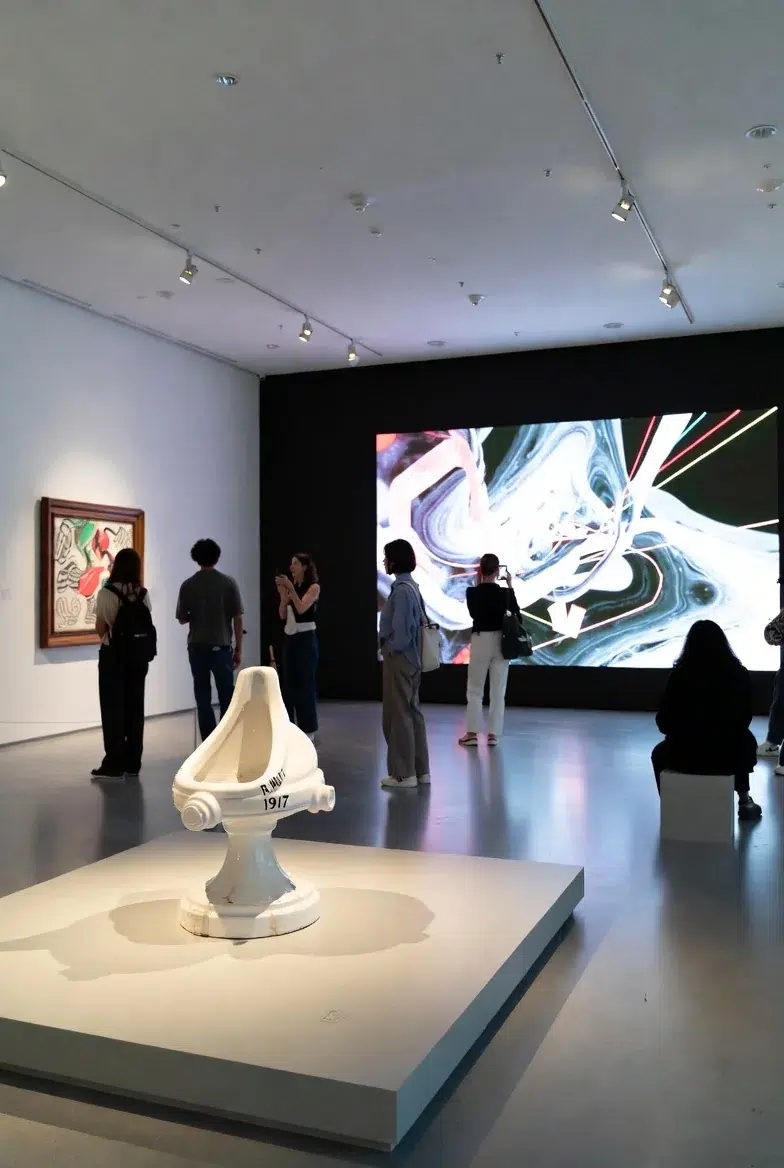
Duchamp was the person who placed a urinal in a museum and declared, "This is art." Following his logic, AI images could certainly become art depending on context... Honestly, it seemed far-fetched at first, but thinking about it, it makes sense.
Arthur Danto and George Dickie
"To see something as art requires something the eye cannot descry—an atmosphere of artistic theory."
Dickie's institutional theory is quite explicit. If the art world recognizes something by saying "this is art," then it's art. It might sound authoritarian, but realistically, it's true. MoMA has started collecting AI artworks.
Cases That Have Gained Recognition
From here, this answers the question, "Okay, that's the theory, but what about reality?"
| Institution | Work | Details |
|---|---|---|
| MoMA | Refik Anadol "Unsupervised" | Acquired for permanent collection in 2023. First AI tokenized artwork |
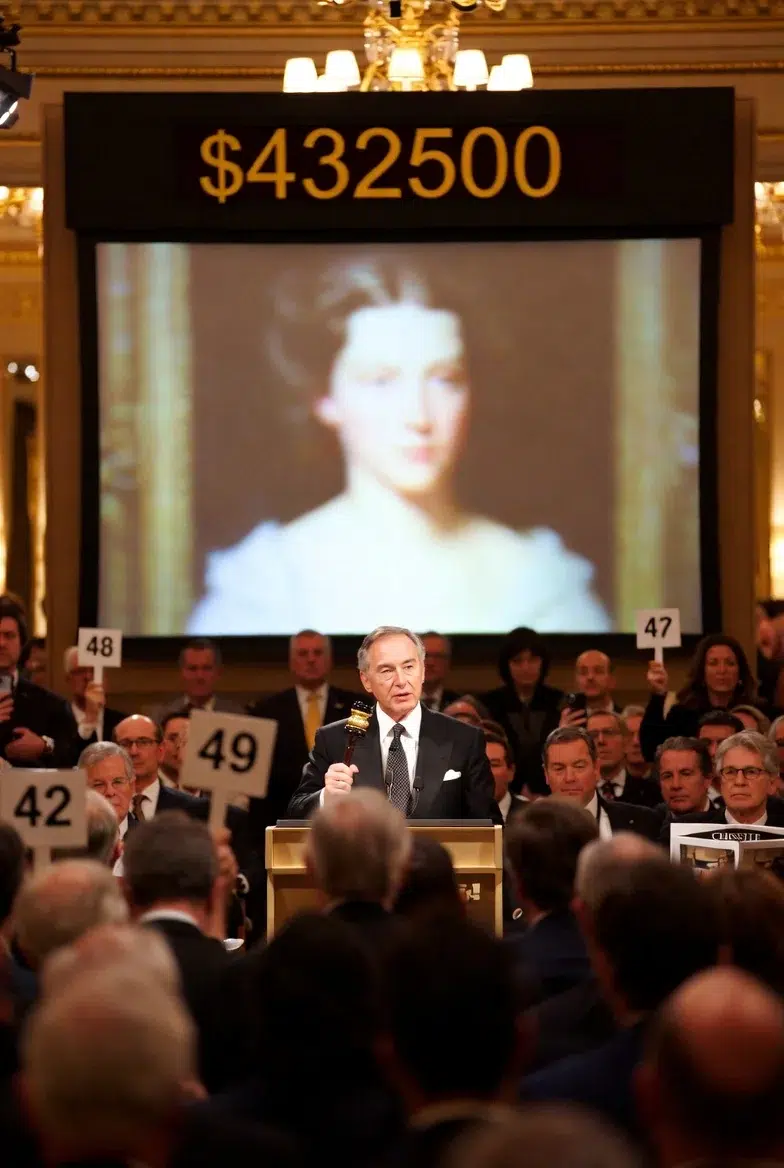
| Christie's | "Edmond de Belamy" | GAN portrait sold for $432,500 (2018) |
| Sotheby's | Mario Klingemann installation | AI installation officially auctioned |
| Colorado State Fair | "Théâtre D'opéra" | Midjourney work won 1st place (2022) |
I was shocked when I first saw the Christie's auction. The estimate was $7,000, but it sold for $430,000. Of course, there was criticism asking, "Why is something AI made worth that much?" but regardless, the market has recognized its value.
For reference, Harold Cohen's AARON software has been creating paintings in museums for 50 years. AI art didn't suddenly appear out of nowhere—it has quite a long history.
Addressing Common Criticisms
"Is Typing Prompts Art?"
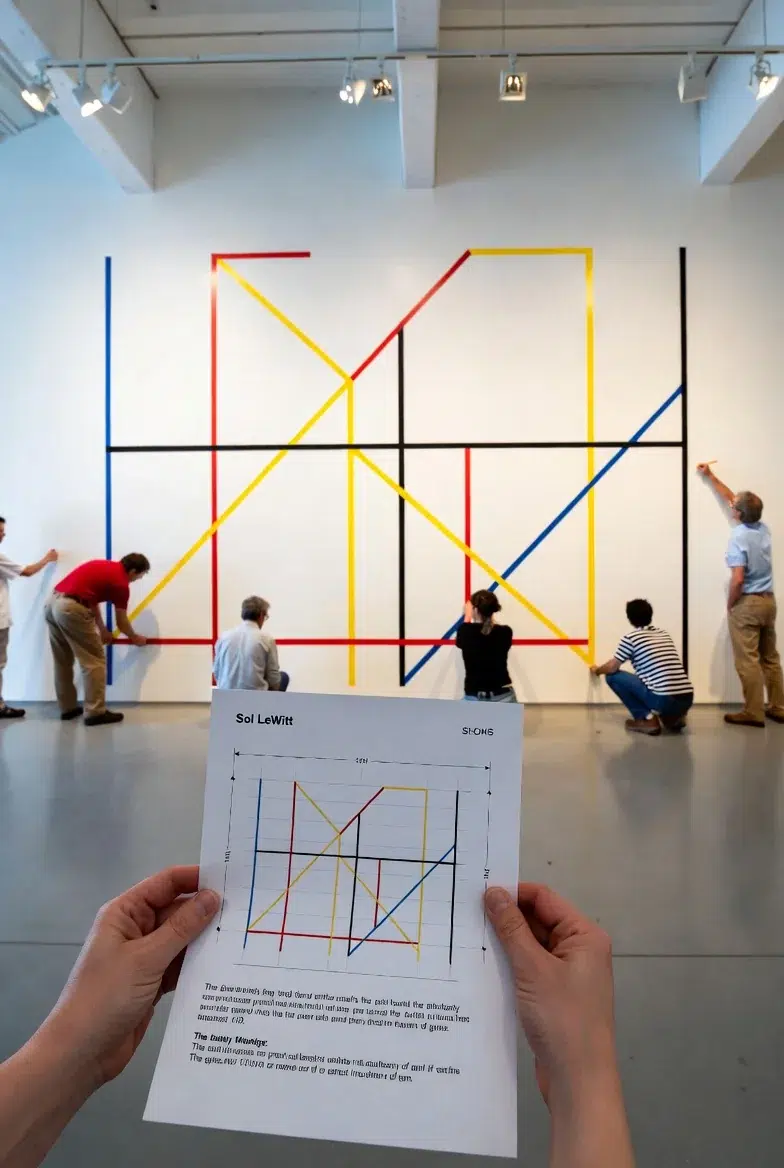
Honestly, typing one line of prompt and claiming "I'm an artist" does feel a bit embarrassing. But conceptual artist Sol LeWitt said, "The idea becomes the machine that makes the art." His wall drawings weren't drawn by himself—he just gave instructions to his team, and those are in MoMA.
"Isn't AI Art Plagiarism?"
This is a really sensitive issue, so it's hard to answer simply. I also initially thought, "Isn't it plagiarism since it takes from training data?"
But I found out the same debate happened when photography emerged in the 19th century. Baudelaire criticized photography in 1859 as "the refuge of failed painters," but now photography is obviously considered art.
Of course, consent and attribution issues are separate challenges that need to be addressed. However, the logic that "it's automatically plagiarism because AI made it" seems too simplistic.
"Without Human Intention, There's No Meaning"
This is a valid criticism, but there are counterarguments. Anonymously published novels are meaningful too, right? Even if you don't know who the author is, if you're moved, isn't that meaningful?
AI art seems similar. Ultimately, designer → data → training → prompt → curation → selection—humans are involved throughout this process. The intention isn't concentrated in one person but distributed across the entire system.
Summary by Art Theory
| Theory | Core Idea | Applicable to AI? |
|---|---|---|
| Mimesis | Art is imitation of nature/life | O - Mimics training data styles |
| Formalism | Significant form creates aesthetic emotion | O - Can generate formal beauty |
| Expressionism | Art is the transmission of emotion | △ - If the audience is moved, the function is fulfilled |
| Institutional Theory | If the art world recognizes it, it's art | O - Already being recognized in museums/auctions |
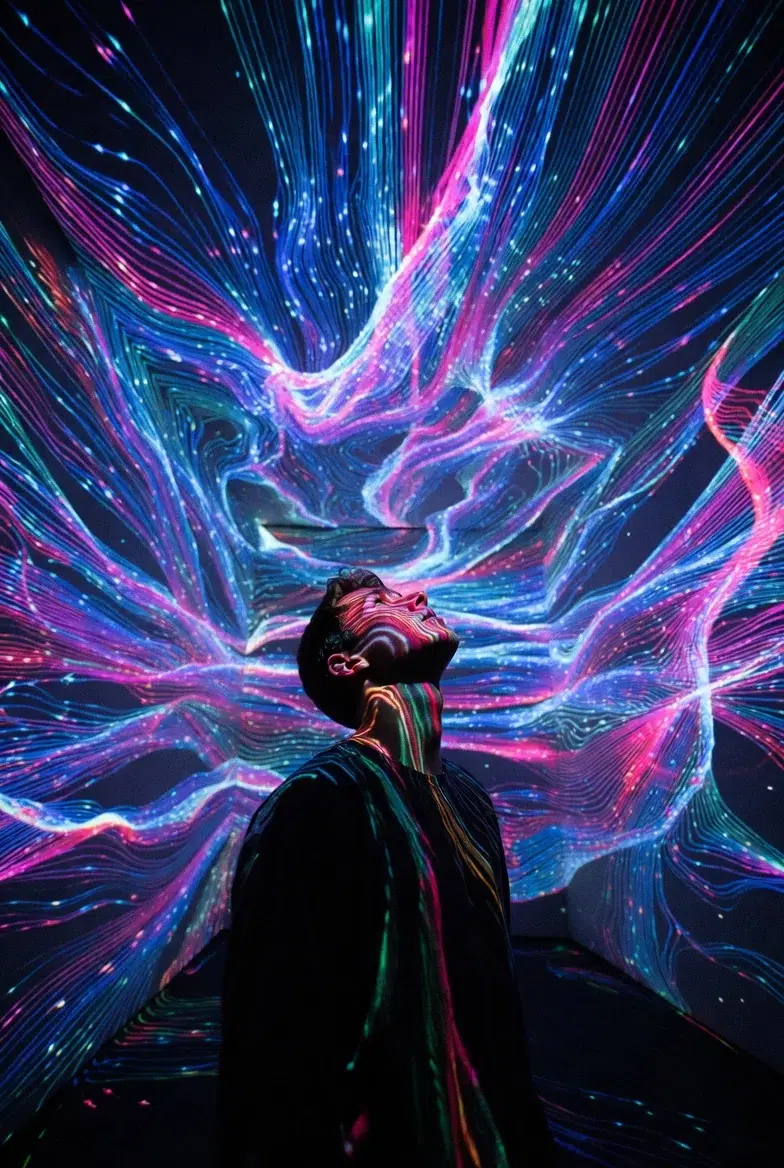
| Pragmatism | Art is completed in experience | O - AI installations also provide immersive experiences |
The expressionism part is somewhat ambiguous. AI doesn't feel emotions. But there's also the argument that if the audience is moved, it's meaningful, so I marked it with △.
Personal Thoughts
As the original author put it, That really resonated with me.


