


I ran an experiment with NightCafe in early March, and to cut to the chase, it was way more fun than I expected. I originally planned to write a post organizing my ComfyUI workflow this month, but somehow I got sidetracked and became obsessed with the theme of blending nature and machinery. I sat down on a weekend afternoon thinking I'd just try it briefly, and ended up burning over 3 hours.
Theme: Surreal Nature-Tech Hybrid — A world where organisms and circuits coexist.
Why I Chose NightCafe
Honestly, half the reason was just "I was too lazy to use Midjourney." But NightCafe turned out to be surprisingly well-suited for this theme.
With Midjourney and Leonardo, I've used them so much that the results start feeling similar, whereas NightCafe offers a wide range of model choices and lets you separately adjust the creativity slider and guidance scale. This turns out to be quite important when you want to achieve a surreal or experimental feel. If you crank the guidance scale too high, it sticks too rigidly to the prompt and gets awkwardly stiff; too low and it just does whatever it wants.
How to Structure Your Prompts
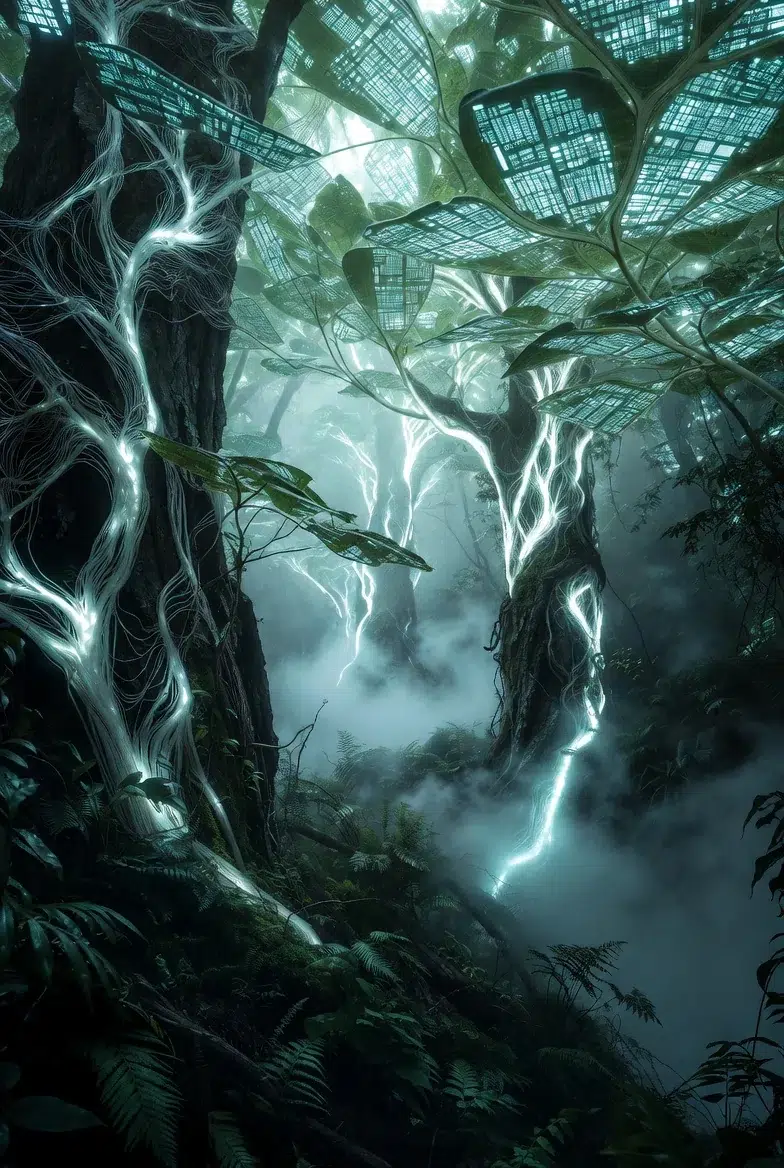
One thing I really noticed through this experiment is that NightCafe is extremely sensitive to texture descriptions. If you just write "forest with circuits," you get a genuinely bland cyberpunk vibe, but mixing in words like filament, crystalline, luminescent, and oxidized completely changes the material quality.
The basic structure I used this time was:
Subject + Hybrid Elements + Mood + Lighting + Texture + Style
When I didn't follow this structure at first and just wrote long-form prompts, the results came out a mess. From my experience, if your prompt goes beyond three sentences, NightCafe seems to drop something in the middle. At least that's how it feels — I'm not 100% sure.
Iterative Variations — This Is the Key
You shouldn't be satisfied with the first result. This applies to any tool, not just NightCafe — deliberately controlling variations is where real skill lies.
This time, I compared results by only changing the lighting keywords while keeping the same composition.
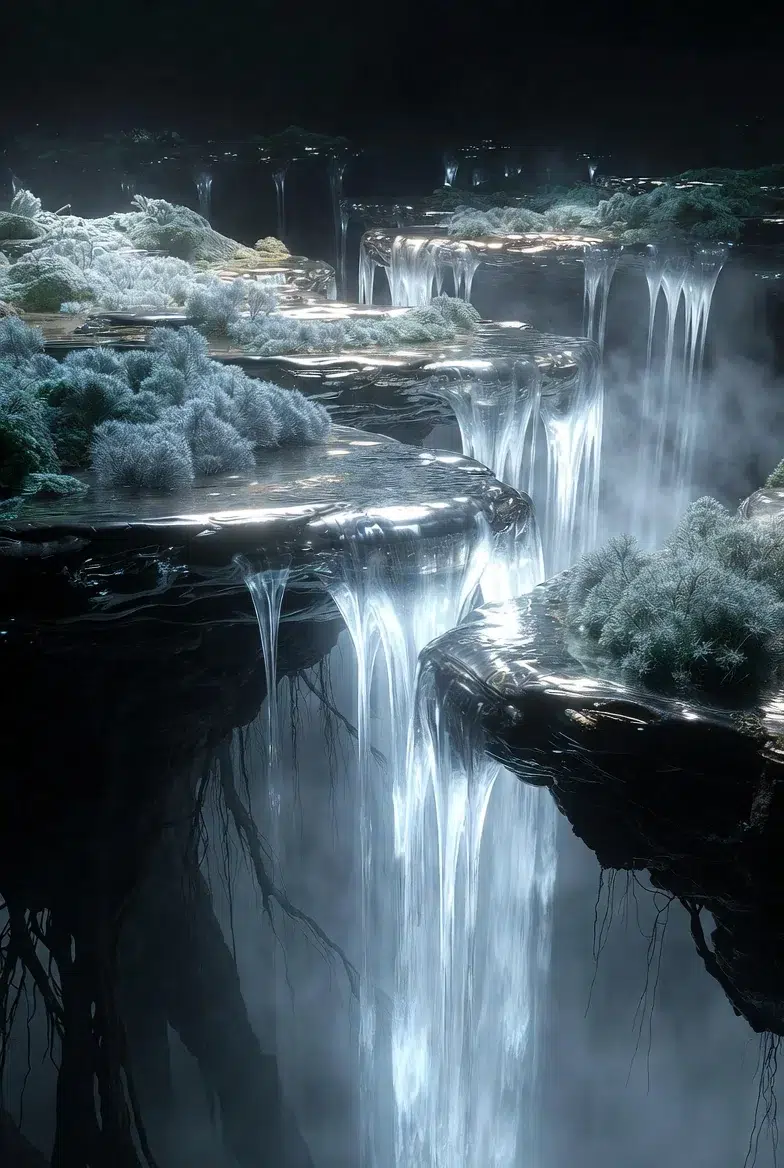
soft golden sunset→ Warm and dreamy, fantasy vibescold moonlit mist→ Distant and cold, slightly eeriedeep ocean bioluminescence→ Ended up being way too intense, so I scrapped it
The third one ate up a solid 40 minutes with disappointing results. When going underwater, NightCafe has this tendency to smush everything into an overly blue mess. Not my taste at all.
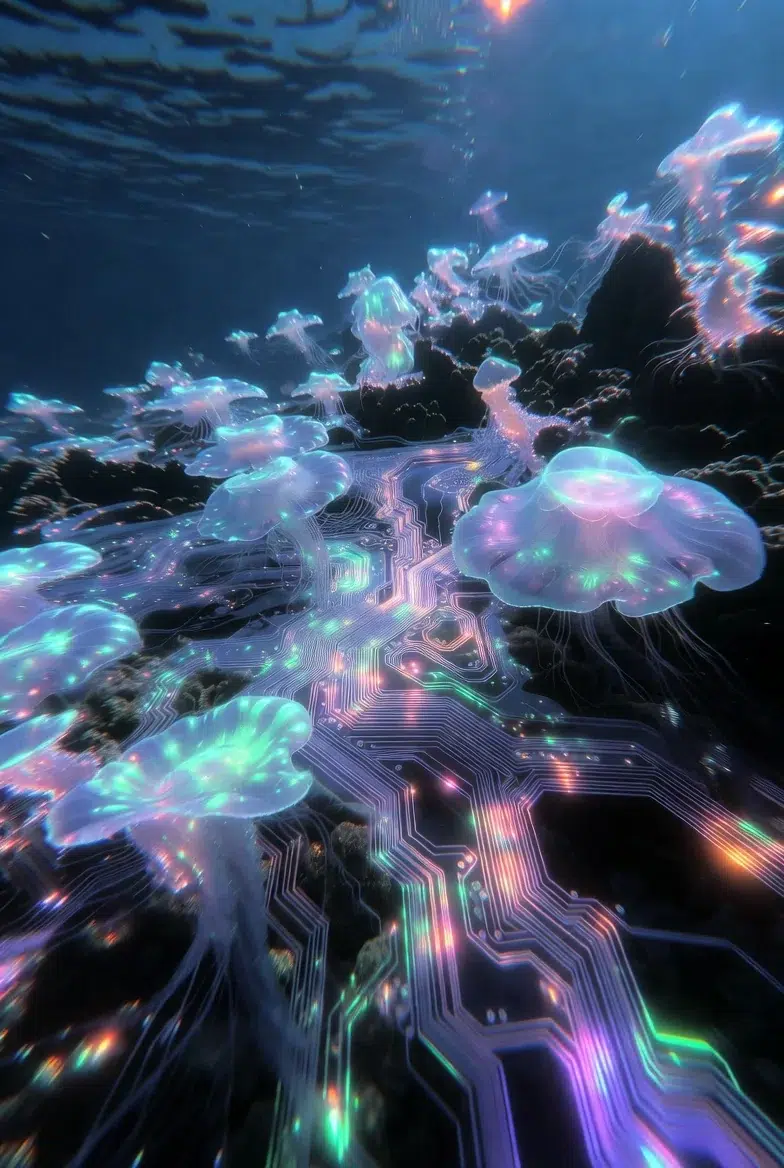
For reference, this prompt was the best version I got, but I actually ran it over 20 times. Half of them were just deleted.
Building a Cohesive Collection
This is a somewhat different topic, but there's a world of difference between generating one good image and creating a "sellable collection."
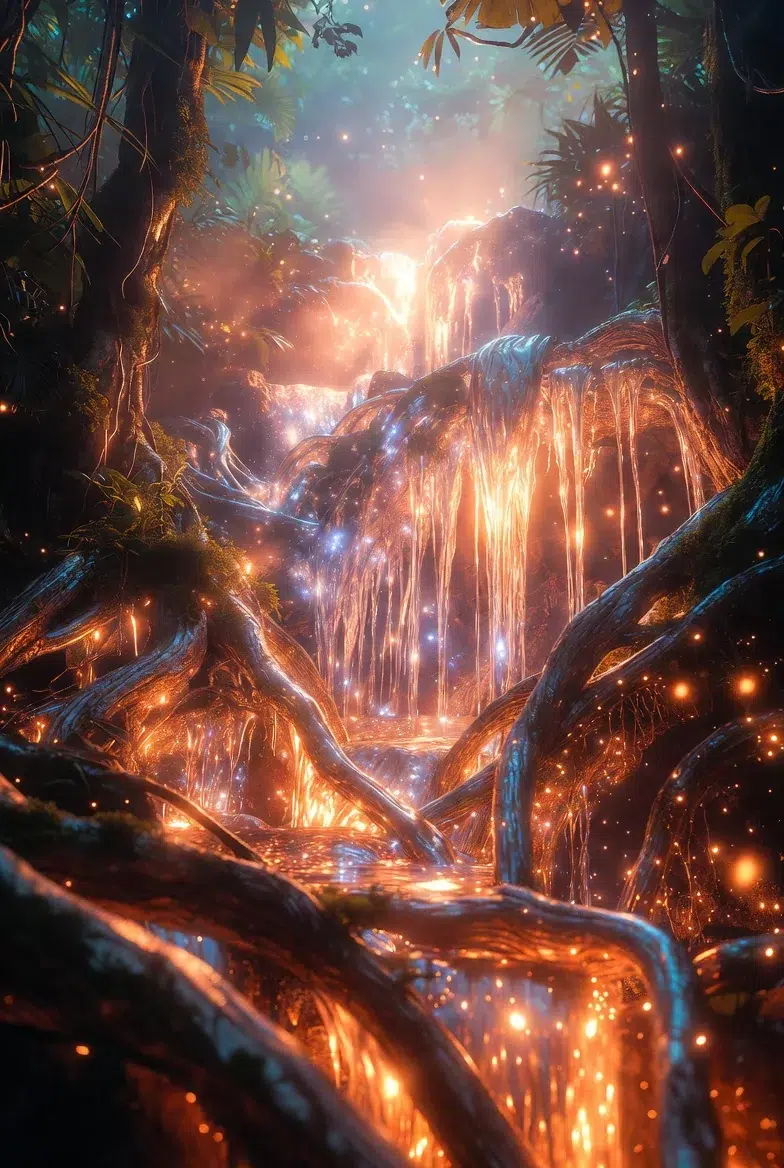
To achieve consistency, you need to lock down your color palette first. For this series, I went with an emerald + silver + soft blue glow combination, and included cinematic fog layers and reflective water surfaces in every prompt. This way, even completely different subjects look like they belong in the same universe.
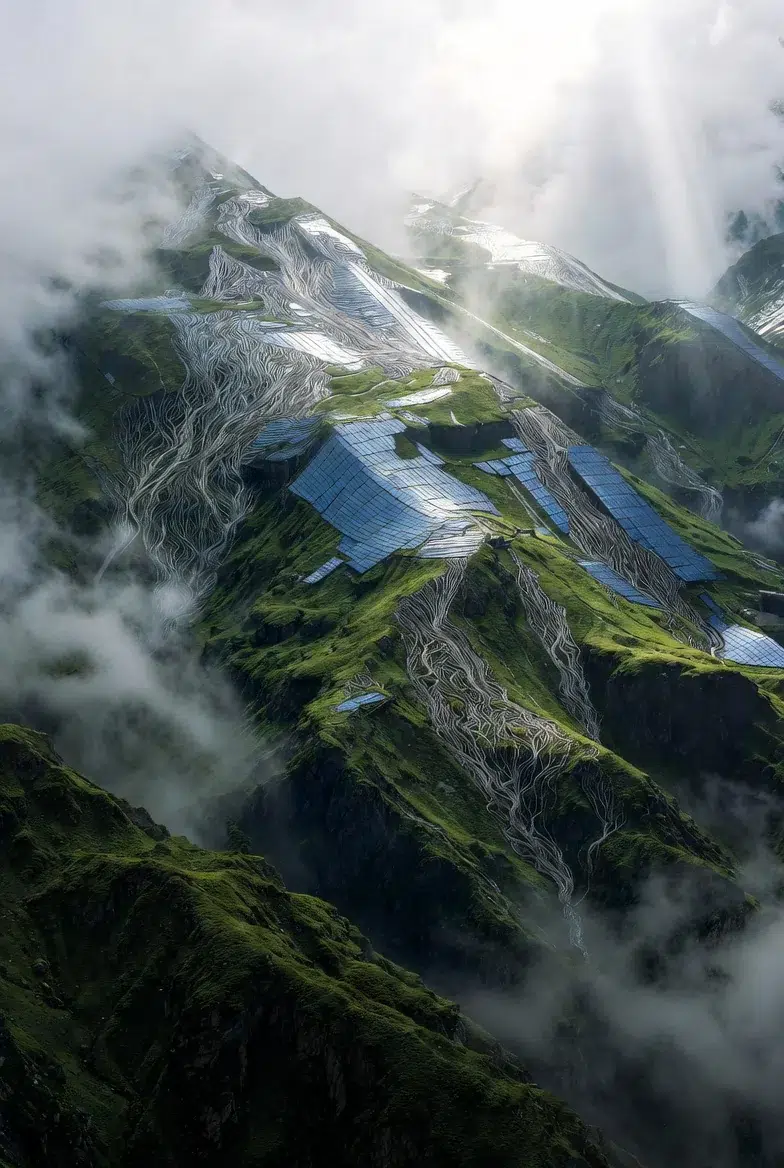
If you're aiming to sell, wide-angle compositions work much better. Prints need some breathing room to look good. Personally, I find that portrait-oriented character-style outputs feel more like screen wallpapers than something worth selling digitally.
NightCafe's Limitations, Honestly Speaking
It wouldn't be fun if I only wrote about the good stuff.
First off, credit consumption is pretty fast. You'll hit the bottom quickly if you're experimenting freely with the free tier. I recharged credits twice during this experiment.
Also, give up on complex text insertion. This applies to other tools too, but NightCafe is particularly bad at mangling text.
If you're expecting top-tier resolution, you might be disappointed. Side by side with Midjourney v7 or Flux outputs, you can see the difference. But for themes like this one, where a dreamy and slightly blurry look actually fits, it didn't really matter.
Conclusion
The biggest lesson from this month's experiment is that going deep on one theme beats randomly generating 100 images.
When I actually ran over 30 generations on a single subject, my prompts kept getting more refined as I went. The first 10 were just for getting a feel, and proper results started emerging after that.
Honestly, I don't plan to use NightCafe as my main tool. I still gravitate more toward Midjourney and ComfyUI, and I think NightCafe is best used for lightly exploring experimental themes like this one. Its biggest advantage is being able to quickly validate ideas without heavy tool setup.
If I have time in April, I'm thinking of trying a similar theme in ComfyUI with ControlNet. I imagine it'll give me much more detailed control.


